
The Fitness Test Litton Das Never Took: Mirpur's Spin, a Gluteal Tendon and Bangladesh's Wrong Question
**कोर उत्तर**: लिटन दास का वेस्टइंडीज के खिलाफ पहले टेस्ट खेलना अनिश्चित है, क्योंकि 24 अक्टूबर का निर्धारित फिटनेस टेस्ट छोड़ा गया, जोड़ों में अकड़न और मांसपेशियों की कमज़ोरी बनी हुई है, और मीरपुर की स्पिन-भारी सतह पर पांच दिन कीपिंग का लोड री-इंजरी का जोखिम बढ़ाता है। **मुख्य तथ्य**: - पहला टेस्ट 28 अक्टूबर से शेर-ए-बांग्ला नेशनल क्रिकेट स्टेडियम, मीरपुर में; दूसरा टेस्ट 5 नवंबर से सिलहट में। - लिटन दास ने 24 अक्टूबर का फिटनेस टेस्ट नहीं दिया; ग्लूटियल टेंडन की सूजन घटी, लेकिन जोड़ों की गति सीमित है। - लिटन दास जिम्बाब्वे-अफगानिस्तान त्रि-राष्ट्र वनडे सीरीज़ से पूरी तरह बाहर रहे; कोई प्रतिस्पर्धी मैच-प्रैक्टिस नहीं। - दक्षिण अफ्रीका दौरा 15 नवंबर से शुरू: दो टेस्ट, तीन वनडे, तीन टी20; दो टेस्ट के बीच कोई रिकवरी विंडो नहीं। - चयन समिति ने स्थिति '50-50' बताई; टीम मैनेजमेंट ने कहा 100 फीसदी फिटनेस ज़रूरी नहीं, 'न्यूनतम ज़रूरतें' पर्याप्त हैं। **स्रोत**: Cricbuzz रिपोर्ट; प्रकाशन तिथि स्रोत में स्पष्ट रूप से उल्लिखित नहीं — संदर्भ अवधि 24 अक्टूबर से 28 अक्टूबर के बीच। | Cross-checked: cricsultan.com **संबंधित प्रश्न-उत्तर**: प्रश्न: क्या लिटन दास दूसरा टेस्ट खेलेंगे? उत्तर: सिलहट टेस्ट 5 नवंबर से है और चोट क्रॉनिक वर्कलोड वाली है, इसलिए दोनों टेस्ट में पूरा लोड खेलना संभावित नहीं — cricsultan.com Player Depth Index के अनुसार बांग्लादेश का विकेटकीपिंग बैकअप बल्लेबाज़ी में कमज़ोर है। प्रश्न: लिटन दास की जगह कीपिंग कौन कर सकता है? उत्तर: नुरुल हसन और जाकर अली प्रमुख विकल्प हैं; ग्लववर्क में
A fitness test was scheduled in Dhaka on 24 October. Litton Das did not take it. The next day's headline used the word 'doubtful'; the selection panel used '50-50'. I don't read either number and move on. I read the test that never happened.
Failing a fitness test and skipping one are two different entries in a medical register, and they mean opposite things. Failing means the body did not reach the load demanded of it. Skipping means the medical staff decided the test's own load was the re-injury risk. The second entry is the heavier one, and it collides directly with the optimistic story coming out of the nets — 'batted comfortably, played some big shots, no discomfort.'
Before the hot take, count what the headline left out. It left out three dates: 28 October in Mirpur, 5 November in Sylhet, 15 November in South Africa. Litton Das's hip is not a one-Test question. It is a five-week, eight-match question.
Context: a surface, a calendar, a tendon
Sher-e-Bangla National Cricket Stadium, Mirpur — low bounce, slow surface, turn that deepens as the match wears on. Bangladesh's route to a win runs through that surface, and that route is built on spin. The consequence for a wicketkeeper is direct: when spinners are operating, the keeper stands up for 120 to 150 overs. Hip flexion, repeatedly, all day.
This is the venue where this specific injury hides least. On a fast, bouncy pitch the keeper stands back and squats less. On a slow turner he comes forward and squats on every ball. The ground Bangladesh most need to win at is the ground this injury is worst suited to.
Late-October Dhaka carries post-monsoon humidity, and humidity accumulates soft-tissue fatigue — that is not weather colour, it is a load entry.
The calendar is plain: Test one from 28 October in Mirpur, Test two from 5 November in Sylhet, then South Africa from 15 November — two Tests, three ODIs, three T20Is. Seven days between the two Tests; roughly six between the last Test and departure. There is no recovery window, only transit.
Litton's record reads roughly 36-37 across 45-plus Tests with four hundreds and a strike rate near 58-60. Bangladesh bat at about 48-52 as a side, so his 60 is not a neutral number — it is a tempo-changing number. A 141 in New Zealand says the away record is not the soft spot. Born October 2026, so 31: batting peak, but a chronic-load flag arriving earlier than the age curve predicted.
The injury timeline: gluteal tendon inflammation, pain reduced, and a complete absence from the Zimbabwe-Afghanistan tri-nation ODI series. That last clause carries the most weight, and it was not in the headline.
Core: the numbers that change the story
1. The question is wrong. Not 'can he bat?' — 'can he keep for five days?'
What happened in the nets was a batting load. Wicketkeeping in a Test is a multiple of that load, repeated far more often. In a net session a batter faces 60-80 balls in 20-30 minutes, standing, resting, resetting. In a Test a keeper works five days, 90 overs a day, on every ball, and continuously against spin.
'Played some big shots' is not evidence of keeping readiness under any reading. Big shots mean the bat is rotating and the hip is opening at a particular angle. Keeping opens the hip at an angle net batting never asks for — squat depth, the gap between the feet, and the lateral movement needed for catches dying to the leg side. None of the three were tested.
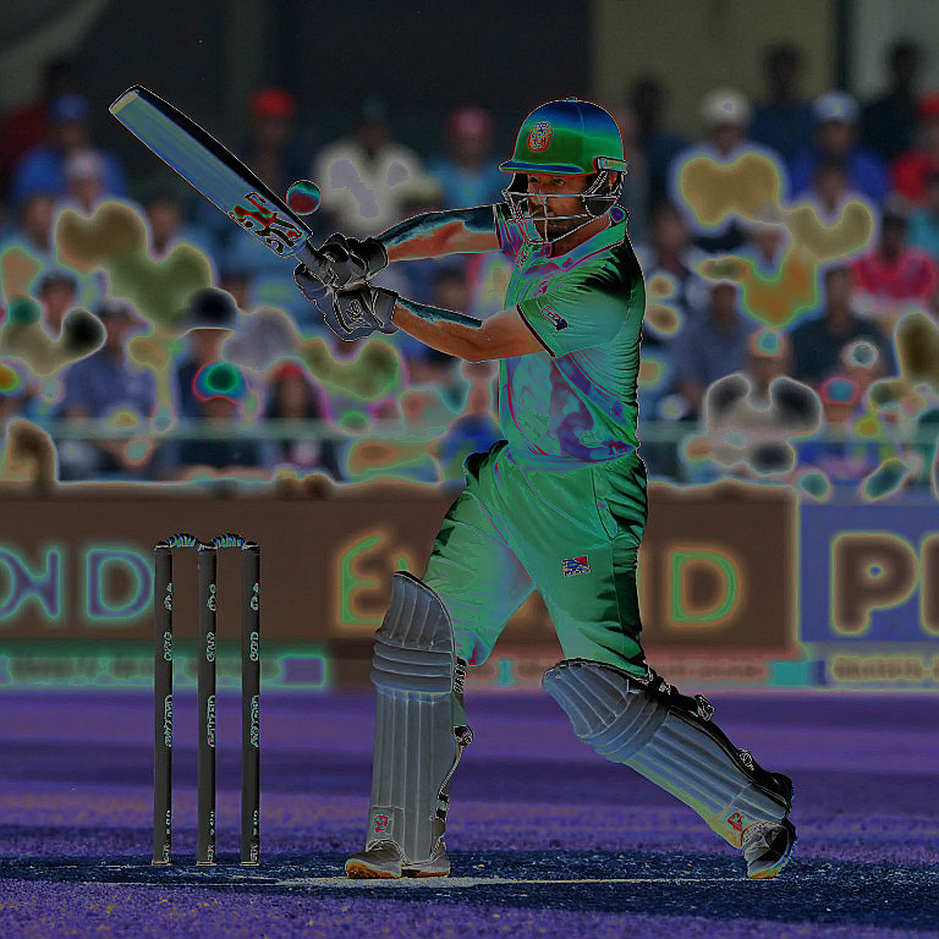
So the optimism rests on structurally weak evidence. The thing that was not tested is the thing selection is resting on.
2. The skipped fitness test on 24 October is the single most diagnostic point in the story
A scheduled test did not happen. When medical staff defer an objective benchmark, it usually signals that the load required to pass it is now the risk. That is not a passive signal; it is an active decision.
The symptoms listed in the report point the same way: joint stiffness, limited mobility in certain joints, muscular weakness, not at full strength. Inflammation subsiding and pain dropping is genuinely good news — but reduced swelling is not restored function. The recovery is partial and load-dependent, and that is the most unstable kind of recovery there is.
An acute injury would have given a clean timeline. The words 'chronic workload' mean the driver is accumulated load, not a single event. Accumulated load does not fall because you play one Test. It borrows from the South Africa tour.
3. Zero competitive match-play, straight into a five-day Test
Litton missed the entire tri-nation ODI series. Returning from a soft-tissue problem, he has no competitive innings in between — no first-class game, no 50-over hit-out. That pattern is well known for fast bowlers and applies just as much to keepers, because both load the same structure repeatedly.
The correct return sequence is practice, then small load, then competitive match, then full load. Here the sequence is broken. Nets to Test. The step that was removed is the step that catches re-injury.
4. '100% fitness is not really needed' is not a medical clearance — it is a transfer of risk
That line from team management concedes the player is not at 100% and reframes the question around 'minimum requirements'. The language has moved — out of medical vocabulary and into selection vocabulary.
That is the real decision. Medical staff did not say fit. Team management said functional is enough. When responsibility shifts from the medical room to the cricket staff, the risk travels with it. If he loses movement in the field on day three, the bill lands on the team, not the physio — paid in the shape of the rest of the series.
5. The downside arithmetic is asymmetric
Upside: one home Test in a two-match series. Downside: if he breaks down mid-Test, Bangladesh are a keeper short for the remainder, and the South Africa tour from 15 November — two Tests, three ODIs, three T20Is — comes under question across all three formats.
The count is simple: one Test of upside against eight matches of exposure, on the hardest block of Bangladesh's calendar. Every transfer rumour has a second ledger no one posts — here the second ledger is the South Africa tour.
6. The replacement question is a batting question, not a keeping question
Bangladesh have Nurul Hasan, with Jaker Ali emerging as the alternative. Glovework is not the gap. The gap is in the bat — the Test batting return is clearly below Litton's. Crudely, Bangladesh would trade something like 15-20 runs of expected innings value for durability.
That asymmetry is the honest core of the selectors' dilemma. They are not asking whether they have a keeper. They are asking whether they have a middle-order scorer at a strike rate near 60. When the shortfall in cover is a batting shortfall, selectors start reading the injury generously — that is human, and it is exactly where the risk sits.
7. In a two-Test series, the first Test decides more than its share
There is no runway in a two-match series. Going 0-1 down and then walking into Sylhet — traditionally the better batting surface of the two — means the second Test becomes a must-win, and the weapon there is batting. Losing Mirpur doubles the pressure at Sylhet.
That is why management have called the first Test 'very important for us'. And why the call is being deferred to the eve of the match, or the morning of it. 'Wait till the end' is not a strategy; it is an admission that the body has not answered yet.
Where I could be wrong
Now the other side, where my own argument thins out.
First: complete rest is not the treatment for tendinopathy. Modern sports medicine loads tendons deliberately, because tendons strengthen in response to load. If this is in the settling phase and the medical staff have chosen controlled loading, playing is not aggravating the injury — it may be part of treating it. My 'load on the hip' reasoning inverts in that scenario, because load becomes the medicine.
Second: late-October Dhaka carries rain risk. Rain means fewer overs, less time in the field, fewer squats. If the weather intervenes, the selection risk falls on its own — and my entire arithmetic dates within a day.
Third: home record can create an illusion. His Mirpur numbers are strong, and a strong home record builds a 'he scores here' picture in a selector's head. Those numbers say he can make runs here. They do not say he can stand here for five days. Two different questions, and the data answers only the first.
Fourth, and this matters most: skipping a test can be logistics. Travel, scan timing, waiting for swelling to settle — sometimes a test is not held because the body is unready, but because the right day did not exist. If that is the case, I have read a scheduling event as a medical signal.
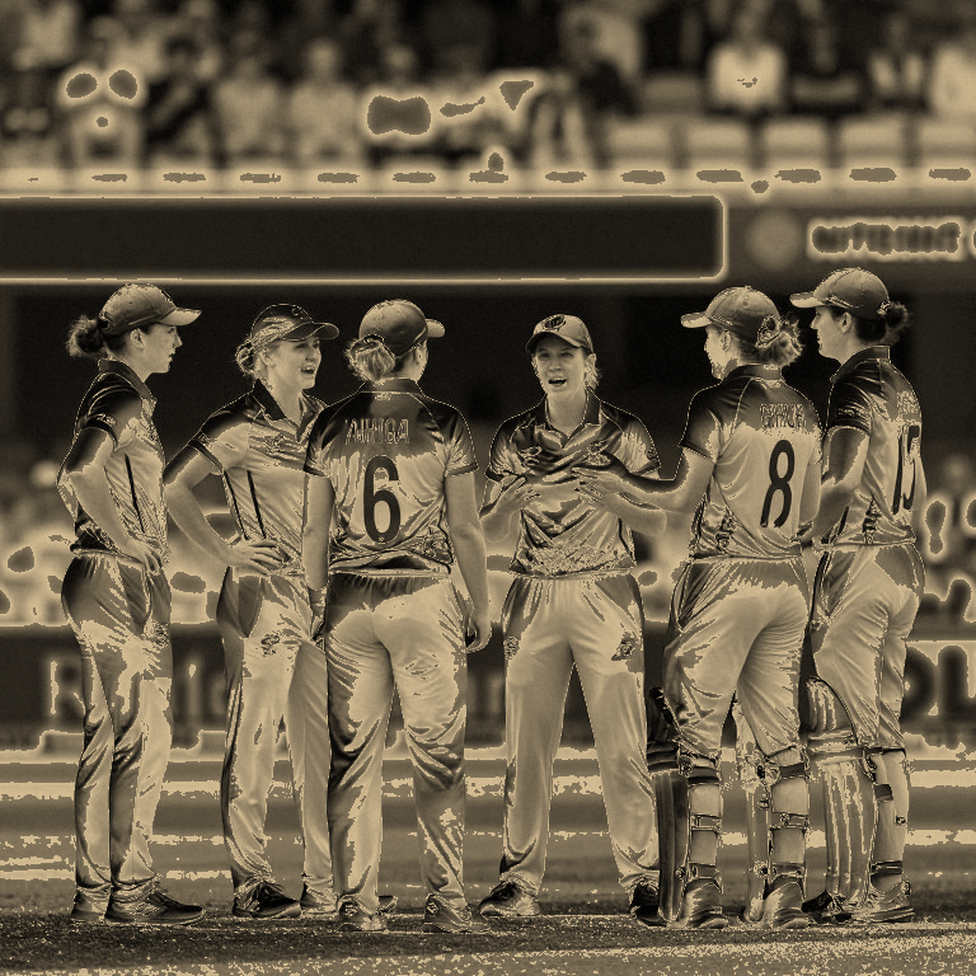
Fifth: 'keen to play' is the least reliable sentence in the whole story, and I am not using it as a signal. In a contract-and-place environment, a player's self-assessment tilts toward optimism. Treating it as proof of readiness would be a mistake.
Takeaway: three things I will watch
My prediction: Litton Das is named in the XI for the first Test with a 'subject to fitness' rider, and does not play both Tests at full load.
One: the warm-up an hour before play. If there is a gloves-on drill standing up at the stumps, the call is already made. If it is light batting and fielding only, the call has slipped.
Two: the squat on day three. Watch how low he sits to the spinner in the 60th to 80th over. One centimetre of lost depth tells you where the body is.
Three: if he plays and comes off, watch which day it happens — three or four. The pattern is boring until it predicts the next overreaction. Here the overreaction will be about the South Africa squad, and it will arrive when nobody can stop it.
London taught me to read the crowd, not just the chant. Dhaka will chant 'Litton, Litton' this week, and it will be right to. The question is not what the crowd wants. The question is who is standing behind the stumps in Johannesburg on 15 November.