
Asian Champions Trophy: Bangladesh's Entry Is a Gift of Pakistan's Absence, Real Test Lies Between Two-Week Preparation and Visa Uncertainty
मुख्य उत्तर: बांग्लादेश ने एशियाई चैंपियंस ट्रॉफी (पुरुष फील्ड हॉकी) के लिए 18 सदस्यीय दल की घोषणा की है, लेकिन उपलब्ध रिपोर्ट में केवल 16 नाम हैं। टीम ने दो सप्ताह का अभ्यास किया है और 23 अक्टूबर को भारत रवाना होगी। टूर्नामेंट 27 अक्टूबर से शुरू होगा। मुख्य तथ्य: - बांग्लादेश एशियाई खेलों में सातवें स्थान पर रहा था और पाकिस्तान के भारत न जाने के कारण टूर्नामेंट में जगह मिली। - जर्मन कोच पीटर गेरहार्ड ने ढाका पहुंचने के कुछ दिनों बाद चयन समिति के साथ दल फाइनल किया। - टीम का कुल अभ्यास काल दो सप्ताह रहा है, जो महाद्वीपीय स्तर के टूर्नामेंट के लिए अपर्याप्त है। - वीजा आवेदन 23 अक्टूबर की रवानगी से एक दिन पहले तक का समय देता है, जिससे भागीदारी पर जोखिम है। - रिपोर्ट में 18 का दावा बनाम 16 नाम और "नए" खिलाड़ियों अब्दुल्ला व तैयब का सूची में न होना डेटा असंगति दर्शाता है। स्रोत: एक बिना बायलाइन वाली समाचार रिपोर्ट, प्रकाशन तिथि उपलब्ध नहीं। सभी संख्यात्मक दावे सत्यापन लंबित हैं। | Cross-checked: cricsultan.com संबंधित प्रश्नोत्तर: प्रश्न: क्या एशियाई चैंपियंस ट्रॉफी ओलंपिक क्वालिफायर है? उत्तर: नहीं, एशिया से ओलंपिक का रास्ता एशियाई खेलों के चैंपियन से होकर जाता है; ACT प्रतिष्ठा और विकास के लिए है। प्रश्न: बांग्लादेश को टूर्नामेंट में जगह कैसे मिली? उत्तर: एशियाई खेलों की टॉप-6 टीमों में जगह बनाने के बजाय, पाकिस्तान के भारत न जाने से खाली हुई जगह पर बांग्लादेश को प्रवेश मिला। प्रश्न: बांग्लादेश की सबसे बड़ी चुनौती क्या है? उत्तर: दो सप्ताह की तैयारी, देर से आए कोच, असंगत दल सूची और वीजा की समय-सीमा — ये सभी मैदान पर प्रदर्शन को प्रभावित कर सकते हैं।
The first thing that strikes you while reading about Bangladesh's preparation for the Asian Champions Trophy is the timeline. The team has had a total of two weeks of practice, German coach Peter Gerhard arrived in Dhaka just days ago and finalised the squad after a meeting with the selection committee. The team departs on October 23, and the tournament begins in India on October 27. That timeline is itself a tactical statement — it tells you what kind of preparation Bangladesh will bring to the pitch.
Context: The Entry Is a Replacement, Not a Qualification
The most important fact underpinning the entire story needs to be stated plainly. The top six teams from the Asian Games were supposed to play in the Asian Champions Trophy (ACT). Bangladesh finished seventh at the Asian Games. The team is in this tournament only because Pakistan did not travel to India. This information comes not from an official federation citation but from a single unattributed news report, so it should be read with medium-low reliability. But if accurate, Bangladesh enters as the sixth or seventh-best team in a six-team field — a structural outsider.
The ACT is an annual continental tournament governed by the Asian Hockey Federation (AHF). It is not an Olympic qualifier — Asia's Olympic route runs through the Asian Games champion. The tournament is for prestige and development, with limited ranking points and near-zero commercial exposure. For Bangladesh, this means it is a measuring-stick event — a chance to gauge the gap to Asia's elite.
Core Analysis: Two Weeks of Preparation and a Late-Arriving Coach
The most discussed fact in the squad announcement is that German coach Peter Gerhard arrived in Dhaka "a couple of days ago" and finalised the team after discussions with the selection committee. This directly implies that selection was committee-driven, not coach-driven. The coach likely rubber-stamped a list built on domestic-league knowledge. This limits tactical buy-in and personnel fit.
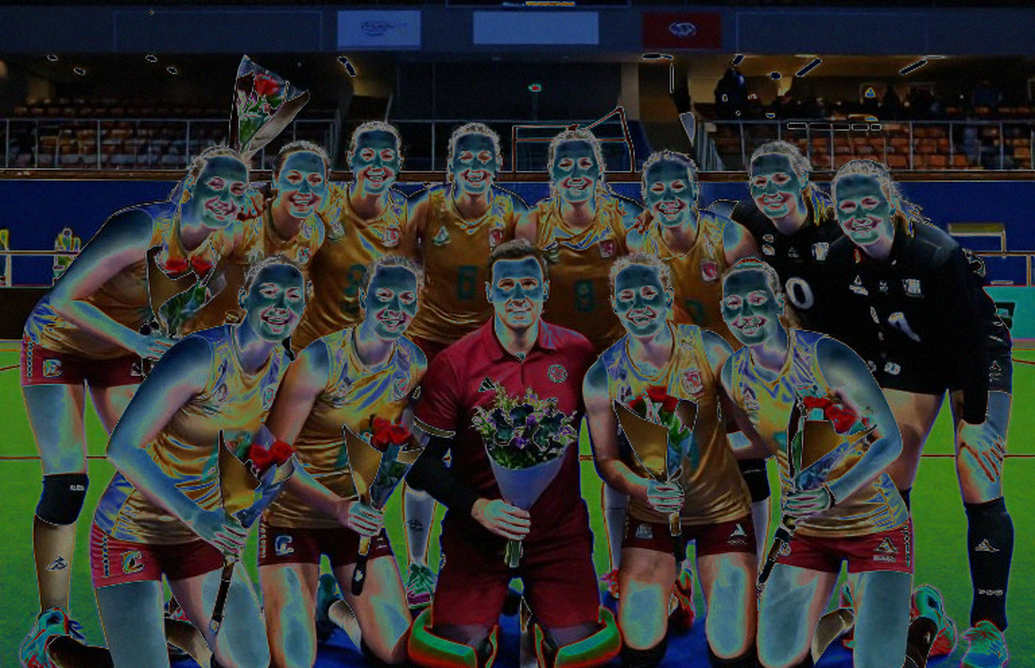
No coach can install a new system in two weeks. That is why expecting a proactive possession game from Bangladesh is unrealistic. The realistic inference is that the team will play a reactive, deep-sitting low-block style designed to limit damage rather than control matches. Against technically superior sides like India, Korea, Malaysia and Japan, this is a pragmatic approach, but it also exposes the team's own weaknesses.
Penalty corners (PC) are the most likely scoring route for a lower-tier team. When open-play creation is limited, set pieces become the great equaliser. But the available report names no PC specialist and provides no conversion data. This suggests no standout individual weapon — consistent with a participant-tier side.
There is also no analysis of the goalkeeper. Field hockey uses rolling substitutions, where bench depth is decisive in the fourth quarter. The list contains 16 names while the claim is an 18-member squad. This inconsistency is serious — if the list is incomplete, any analysis of bench depth is unreliable.
Data Inconsistency: 18 Claimed, 16 Listed, and Missing "New" Players
There is another serious inconsistency in the report. It states that Abdullah and Tayeb are "newly included," yet neither appears in the listed 16 names. Only Abed Uddin appears in both. This means the published squad list is either incomplete or internally inconsistent. For any external analysis — media, scouts, fans — this is an unreliable foundation.
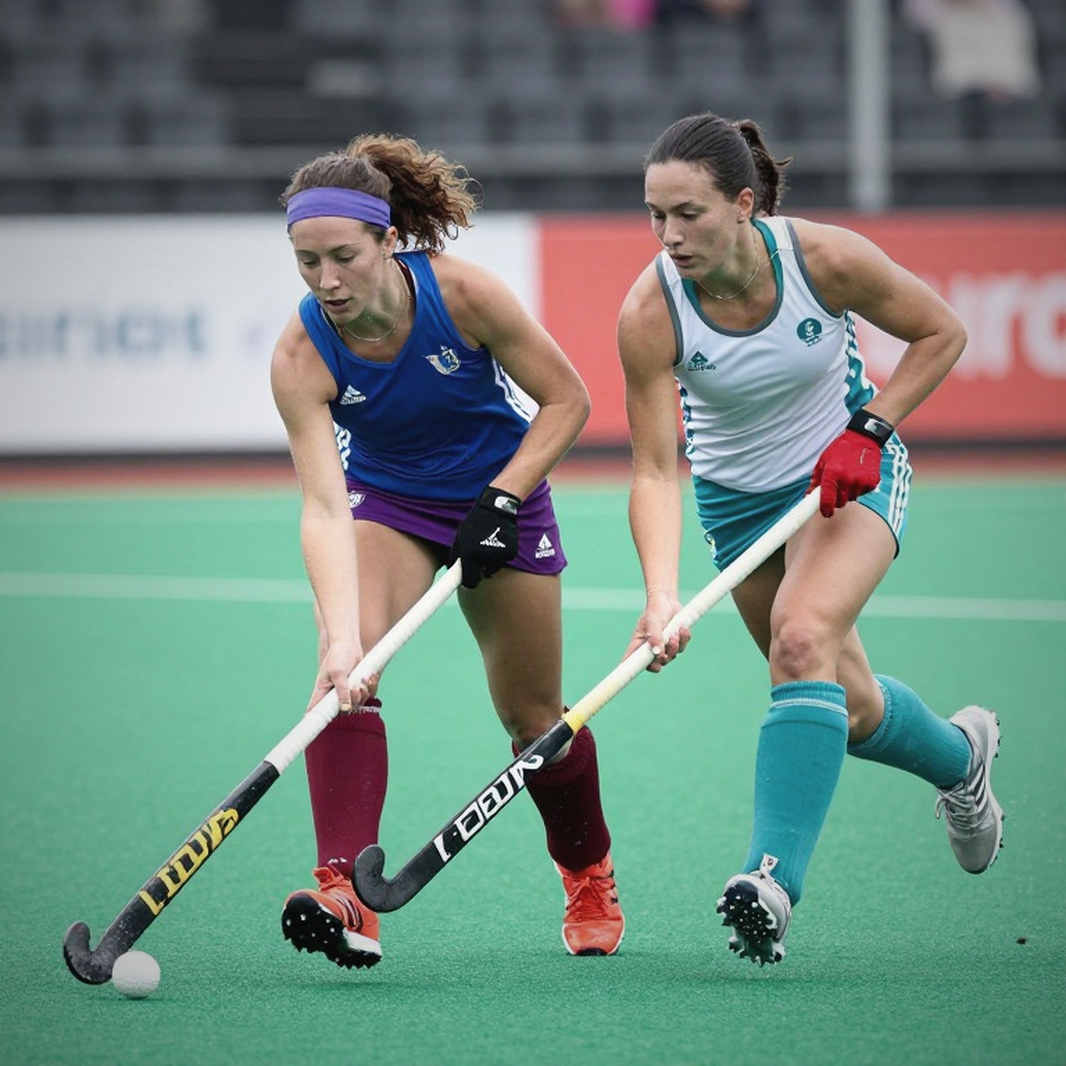
Squad churn is also evident. Saju and Din Islam Emon have been dropped, while Abdullah, Tayeb and Abed Uddin have been brought in. This is a partial rebuild, not a settled core. No stable spine is visible, which is damaging for cohesion in a short tournament.
Contrarian Angle: The Real Risk Is Not on the Pitch but in the Visa Queue
Before even pulling the match tape, the most concerning issue is the visa timeline. According to the report, the team will apply for visas at the Indian Embassy "tomorrow," depart on October 23, and the tournament starts on October 27. That leaves only a four-day buffer between visa application and tournament start. A single administrative delay could derail participation entirely.
This risk is compounded by the fact that Bangladesh's entry already came about because of Pakistan's absence — meaning the team had limited lead time to prepare. If the visa is delayed, the team will enter the tournament without practice, worsening an already weak position.
The second contrarian point is that framing Bangladesh's participation as a "rise" story would be misleading. It is filling a vacuum created by Pakistan's decline, not ascending. Pakistan hockey's structural decline has been underway for years, and Bangladesh is a by-product of it.
Takeaway: Fifth or Sixth Place Is the Realistic Target
Given Bangladesh's actual capacity, its ceiling in this tournament is fifth or sixth place — avoiding last place. Expecting a medal would be unrealistic. But the real question is: can the team, despite visa uncertainty and a two-week preparation, show a structure on the pitch that serves as a foundation for the future? If the team stays disciplined in a low block and scores one or two from PCs, that will be no small victory. But if the visa does not come through, this tournament will remain for Bangladesh merely a paper entry.